
Choosing the Boutiq Switch V6 over the previous version is usually decided by price and availability rather than specification. The Boutiq Switch V6 vs V5 question has an unsatisfying answer right now, and it is better to say so plainly than to manufacture a difference. The extract is the same. The catalog is not, and that is currently the deciding factor rather than anything about the hardware.
Boutiq Switch V6 vs V5: what actually changes
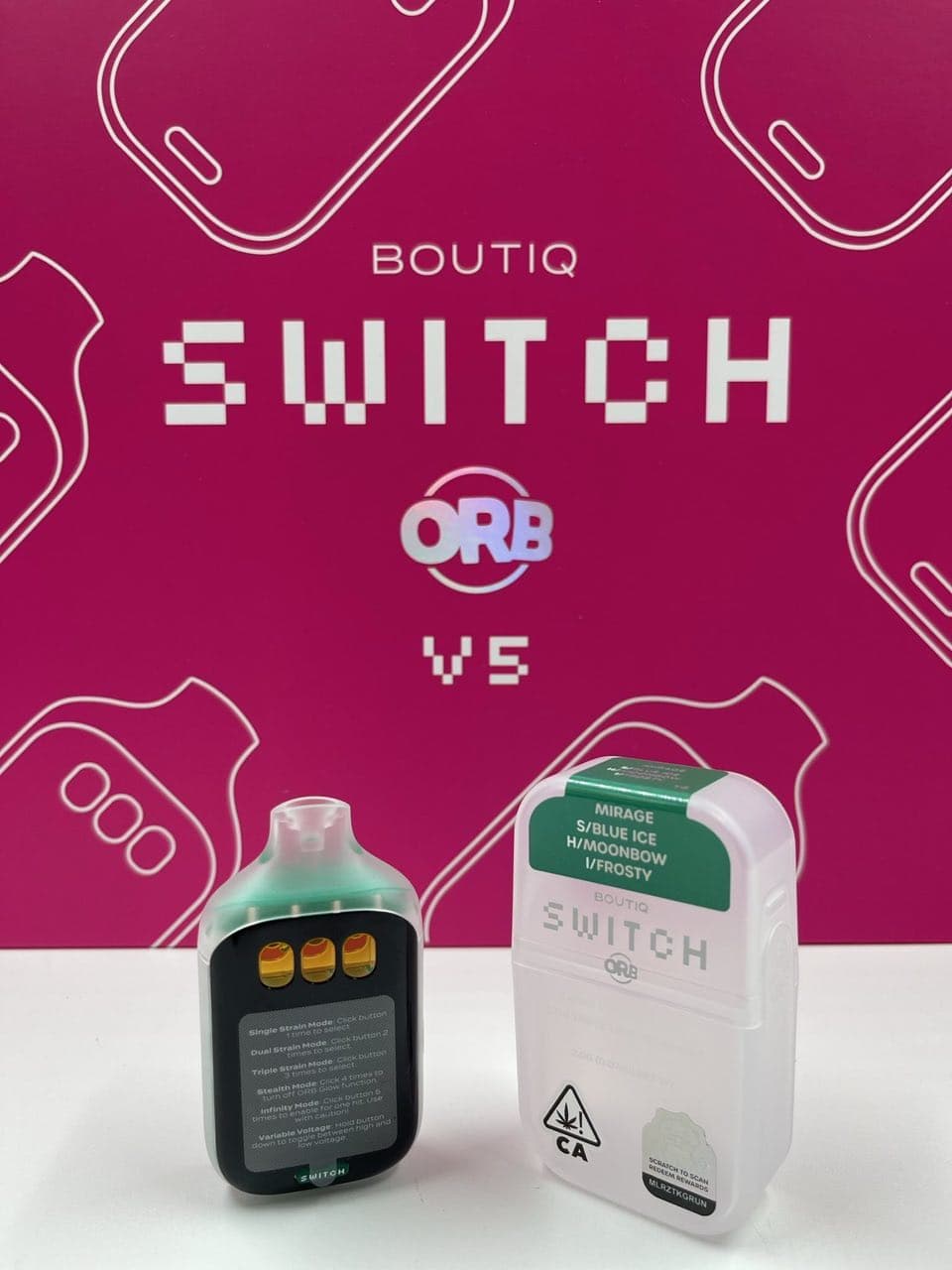
The V6 is the generation after the V5, carrying the multi-chamber format forward with refreshed hardware. Liquid Live Diamonds, a hash oil style concentrate, is unchanged, the mechanical selector works the same way, and charging is USB-C as before.
That is a shorter list than a new generation usually implies, and it is worth being honest about. Nothing about the vapor changes between these two generations, and nobody would identify which produced a given draw.
What does change is availability. Production on the current generation is still building, so the V6 range carries far fewer pairings than the established generations, and stock moves.
The catalog problem, which is the real decision
The V5 range has had time to accumulate pairings. The V6 has not. If you are hunting a specific combination of profiles, the odds of finding it are considerably better on the older generation, and that is the practical answer to Boutiq Switch V6 vs V5 for most buyers.
This is a temporary state rather than a permanent one, and it will change as production builds. But you are buying today rather than in a year, and today the catalog gap is the largest real difference between them.
If flavor choice matters more to you than owning the newest hardware, buy the V5, or for that matter the V4, which has the widest catalog of any generation.
The V6 costs more, and what the premium buys is the current generation rather than more extract or better vapor. That is a legitimate thing to want and it is worth being clear that it is what you are buying.
For someone who upgrades hardware as a matter of course, the argument is straightforward. For someone choosing on what the device does, the argument is thin right now and we would rather say so than dress it up.
The value comparison that actually favours a buyer is older still: a V3 holds the same 2g on older hardware for considerably less. If budget is the constraint, that is the direction to look rather than the newest generation.
What stays identical across both
Extract, selector mechanism, charging standard and capacity. The guidance in the charging guide and the usage guide applies to both without modification.
Counterfeiting risk and the checks that address it are also identical. Run the batch code through the verification tool against our lab panels regardless of which generation you buy.
Storage rules are shared too. Upright, indoors, out of direct sun, and the same family durability rules about which profiles fade first apply to both generations equally.
When the V6 is the right buy
If you specifically want the current generation and are relaxed about a narrow pairing selection, buy it. That is a coherent position and there is nothing wrong with it, provided you know that is the trade you are making.
It is also reasonable if the pairings currently available happen to include one you want. Availability changes, and a V6 with a combination you actually like is a better purchase than a V5 with one you merely tolerate.
What we would not recommend is buying the V6 expecting a performance difference, because there is not one to find. Anyone told otherwise is being sold to rather than informed.
When to stay on the V5
If flavor choice is your priority, stay on the V5 or drop to the V4. If budget matters, the same logic points further back again. Our V5 against V4 comparison covers the more consequential decision, which is chamber count rather than generation number.
If you have never used a three chamber device at all, the V5 is the better place to find out, because the catalog gives you a real choice of trios. Our thirty day V5 review covers how the format behaves over a month.
And if you are undecided, waiting costs nothing. The V6 catalog will widen, at which point the comparison becomes genuinely interesting rather than mostly about stock levels.
How this comparison will change
Once the V6 pairing catalog matches the V5’s, the decision moves onto hardware and price alone, and at that point the newer generation becomes an easier recommendation. That is the honest projection rather than a promise.
Until then, treat generation number as the least important variable in the purchase. Chamber count, pairing choice and format matter more, in roughly that order, and all three are decisions you can make today with good information.
If you want to understand the range as a whole rather than one comparison, our explainer covers what the format is and how the generations relate.
Buying a new generation early, in general
Early in a generation the catalog is thin, stock moves, and the hardware advantage is usually smaller than the marketing suggests. That is true across this category rather than specific to us, and it is worth knowing as a general rule.
The buyers for whom it makes sense are those who value having the current device and are relaxed about selection. That is a legitimate preference and not an irrational one, provided it is the actual reason rather than an assumption that newer performs better.
The buyers for whom it does not are those chasing a specific flavor, or those on a budget, both of whom are better served further back in the range.
What to watch for over the next few months
The thing that will change this comparison is catalog width rather than any hardware revision. As more pairings appear on the current generation, the argument for the older one weakens considerably.
Price is the other variable. New generations typically carry a premium that softens as production scales, and at that point the decision becomes genuinely close rather than mostly about stock.
Until both of those move, the recommendation stands: buy for chamber count and pairing, not for generation number.
V6 against V5 questions
What is the difference between the V6 and the V5?
The V6 is the newer generation with refreshed hardware, but the extract, selector mechanism, charging standard and capacity are unchanged. Nothing about the vapor differs. The practical difference today is that the V6 pairing catalog is much narrower because production is still building.
Is the V6 worth paying more for?
Only if you specifically want the current generation. The premium buys newer hardware rather than more extract or better vapor. If flavor choice matters more to you, the V5 and V4 have far wider catalogs for less money.
Which should I buy if I want a specific flavor pairing?
The V5, or the V4 if the pairing exists there. The established generations have had time to accumulate combinations while the V6 has not, so the odds of finding a specific trio are considerably better on the older generation.
Will the V6 get more flavors?
The catalog is expected to widen as production builds, which is the normal pattern for a new generation. Until then, generation number is the least important variable in the decision compared with chamber count, pairing choice and format.
What actually changed, and what did not
Both devices are three chamber, two gram units running the same Liquid Live Diamonds fill, so the differences are narrower than a version bump implies. The V6 improves draw regulation, which shows up most clearly in the final third of a tank where the V5 tends to thin out. The toggle action is firmer, and the coil is tuned for less variation between the first pull and the last.
What did not change: capacity, chamber count, Infinity Mode, or the extract. Anyone claiming the V6 is materially stronger is describing marketing rather than a tested difference, and the published batch figures do not support it.
Whether the upgrade is worth it
If your V5 works and the tail end of the tank has never bothered you, there is no case for replacing it. If you have noticed the last third going flat and assumed that was normal, the V6 is the version that fixes exactly that.
For a first purchase the V6 is the straightforward pick, since it is the current line and easier to replace. Comparisons against the generation below are in the V5 versus V4 breakdown.
Availability and counterfeit risk
This is the part that matters more than the spec gap. Current releases attract the most copies because demand outruns supply, so V6 listings from unfamiliar sellers deserve more scepticism than V5 listings from the same seller. A genuine V5 beats a fake V6 by a wide margin.
Check the batch code against the published tests before the first draw either way.
V6 versus V5 questions
Is the V6 worth upgrading from a V5?
Only if the drop off in the last third of the tank is what bothers you, which is what the V6 addresses. A working V5 is not worth replacing for the other refinements alone.
Did the V6 change the number of tanks?
No. Both are three chamber devices with Infinity Mode. The change is in draw regulation and consistency rather than capacity or layout.
Which is easier to find genuine?
The V5, because it has been in circulation longer and counterfeiters concentrate on whatever is current. A V6 from an unfamiliar seller carries more risk than a V5 from the same one.
Is the V6 stronger?
No. Both run the same Liquid Live Diamonds fill in a two gram format, and the published batch tests do not support a strength claim either way.
Price and availability, not specifications
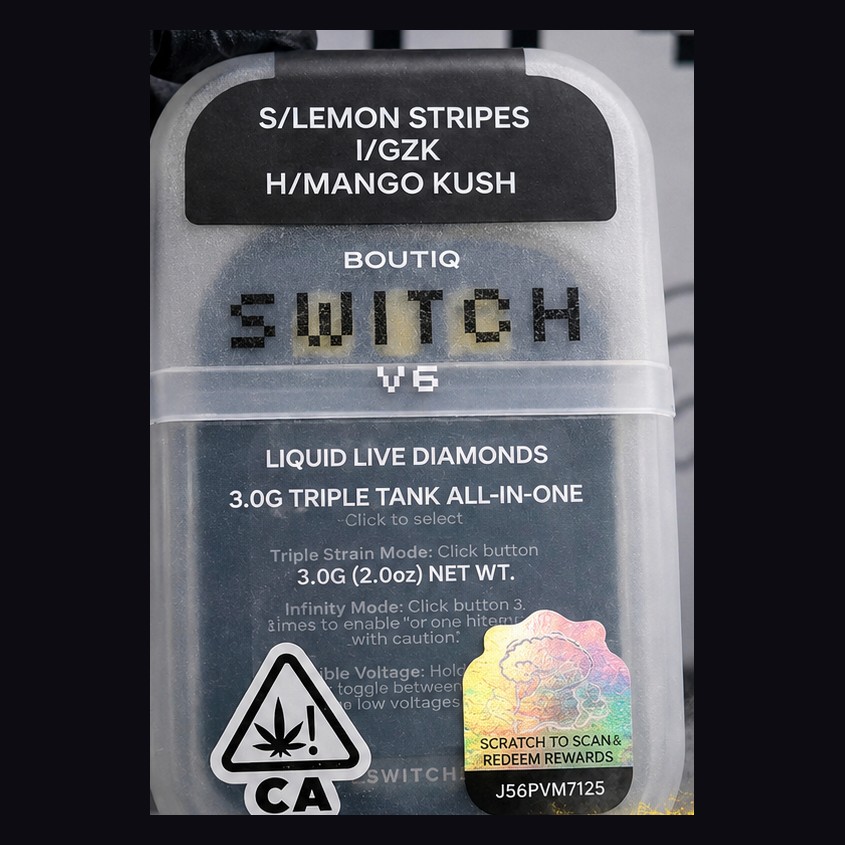
The specification comparison is the part everyone writes about and the part that matters least at the point of purchase. In practice this decision is usually settled by what is actually in stock at a sensible price on the day you are buying, because the performance gap is smaller than the price gap often is.
The newer version holds its price longer, since demand is concentrated there and supply is allocated. The older one drops in price as it ages, which is exactly when it becomes the better value purchase for anyone whose use is light or occasional.
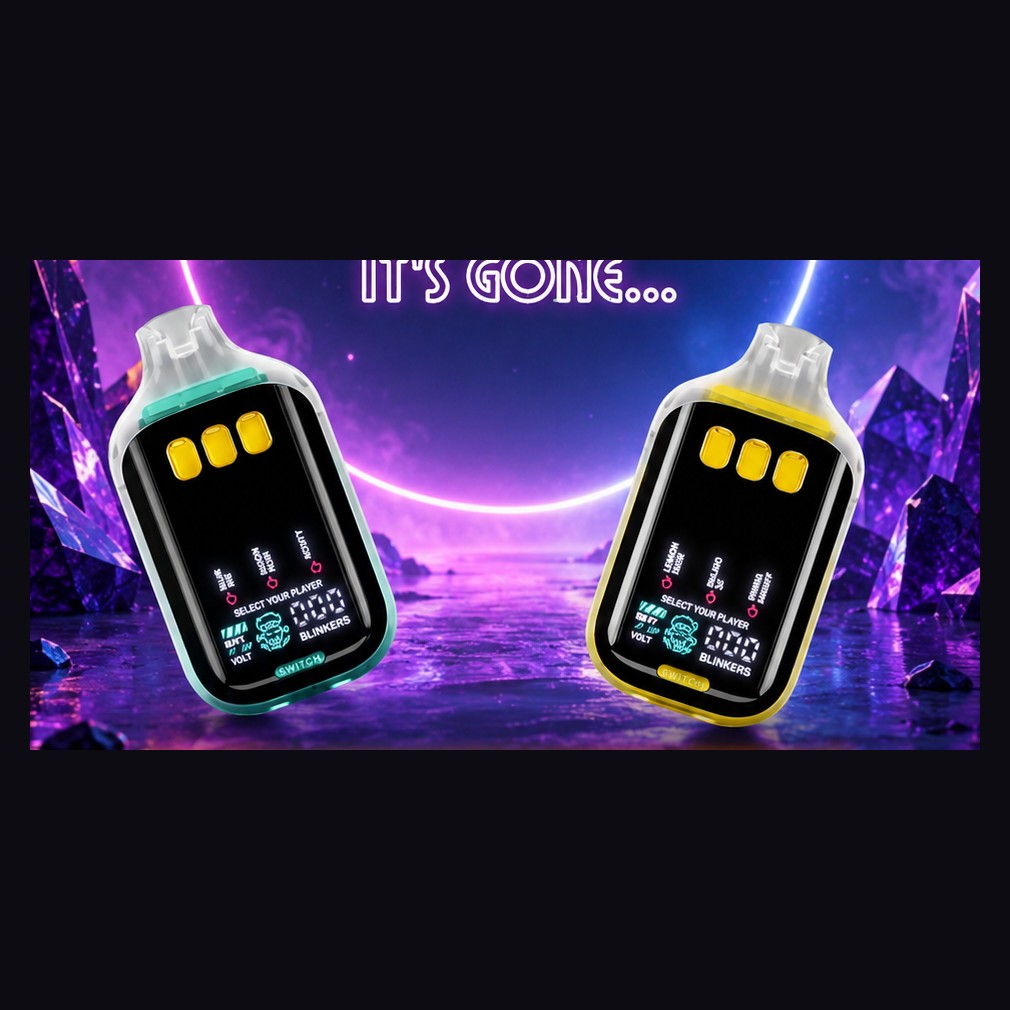
The trap in that logic is buying an older version from an unfamiliar seller purely on price. Discontinued and older versions attract the most counterfeits precisely because buyers expect them to be cheaper, so a low price raises fewer suspicions than it should.
So set a budget, buy the newest version you can get from a seller who publishes batch codes, and do not stretch to the newest release if it means buying from somewhere you cannot verify. Check what arrives against the verification steps and see current stock on the shop page.
One practical warning applies to both versions equally. When a new release arrives, listings for the previous version multiply quickly, and a proportion of those are counterfeit stock riding the attention. The window immediately after a launch is the riskiest time to buy the older version cheaply from an unfamiliar seller, which is precisely when most people go looking for a discount. Guidance on protecting yourself at the payment stage is published by the Federal Trade Commission. Wait a few weeks, buy from somewhere that publishes batch codes, and you get the genuine price drop without the risk that usually accompanies it.
To summarise the decision in one line: buy the newest version you can source from a seller you can verify, and if the budget only stretches to the older version from that same seller, take the older version rather than the newer one from a shop you cannot check. Provenance beats specification every time in this category, and it is the one factor that does not show up in any comparison table.
If the Boutiq Switch V6 is in stock at a fair price from a seller you can verify, buy it. If only the older version is available from that seller, take it rather than sourcing the Boutiq Switch V6 from somewhere you cannot check.